
About us
Meet The Team
Experts Behind Your Favorite Models & Collectables
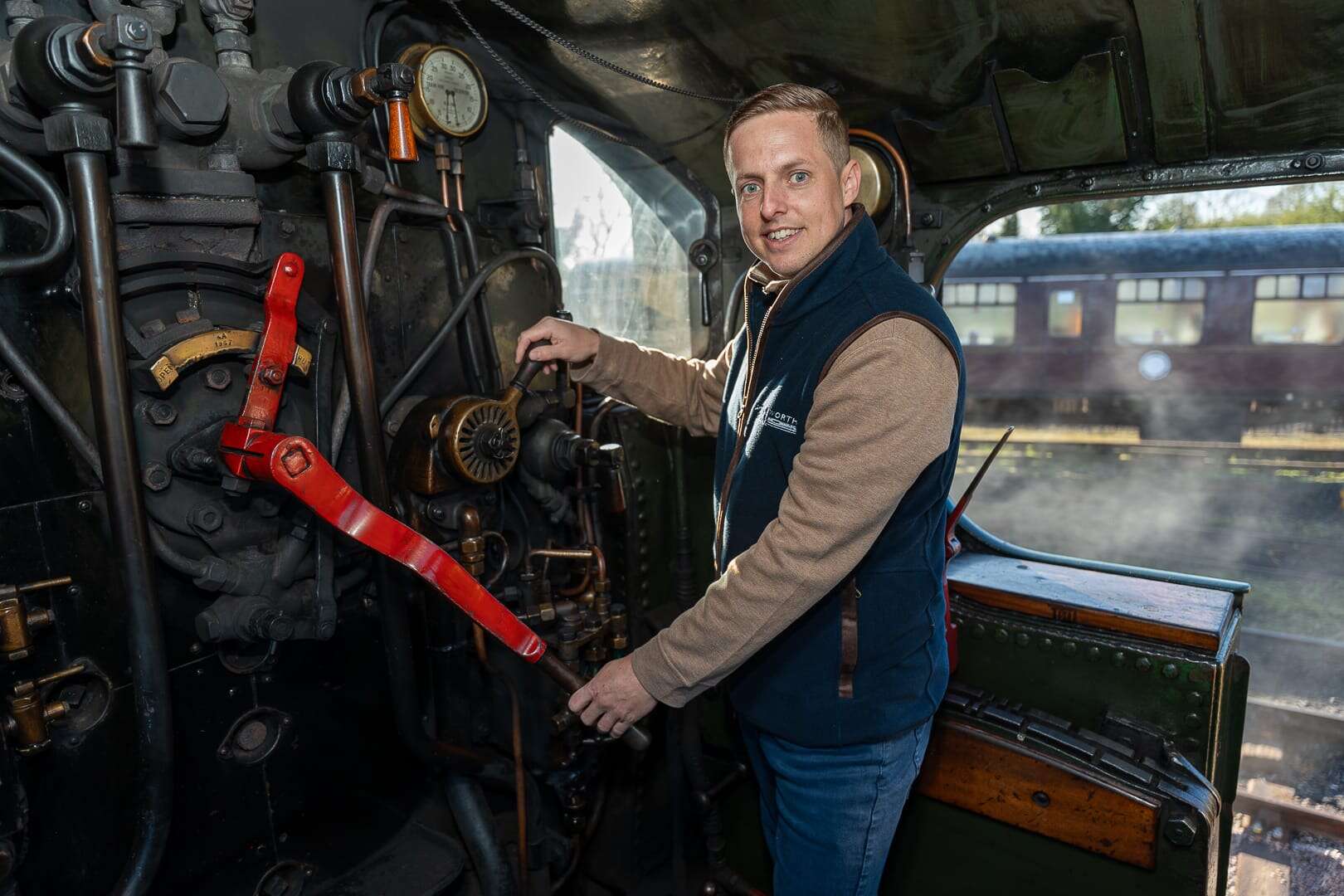
Daniel Bunn – Business Owner
Second Hand Model Collectable Specialist
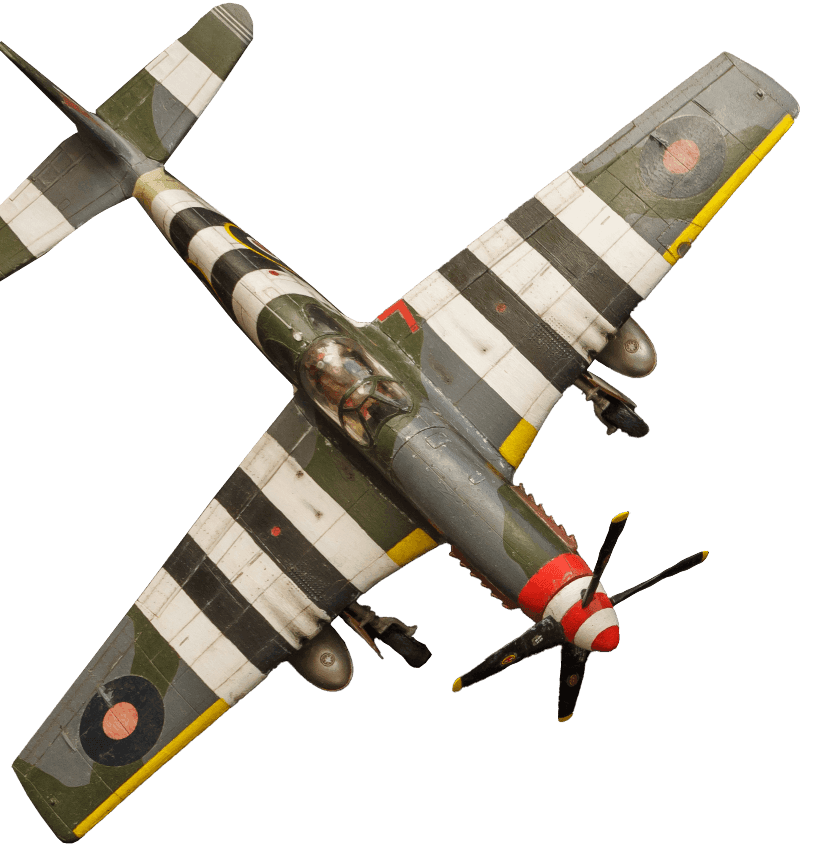
With a deep passion for all things collectibles, Daniel Bunn brings extensive knowledge and expertise to our team. Specializing in model railways of all gauges, die-cast collectibles, RC models, and military & civil aviation, he plays a key role in sourcing, evaluating, and ensuring the highest quality and fare prices being paid for all our collections purchased.
Daniel has a keen eye for rare and vintage pieces, always on the lookout for exceptional finds that excite both seasoned collectors and newcomers. Whether it’s live steam engines, model aircraft, or meticulously crafted plastic kits, his dedication to the hobby ensures that every item we acquire meets the highest standards.
There are no lengths that Daniel will not travel to sourcing any sized collection to ensure we deliver every single week bringing exciting & interesting items, he loves nothing more than purchasing collections that have been collected & stored away in some cases over many years and give them a new lease of light.
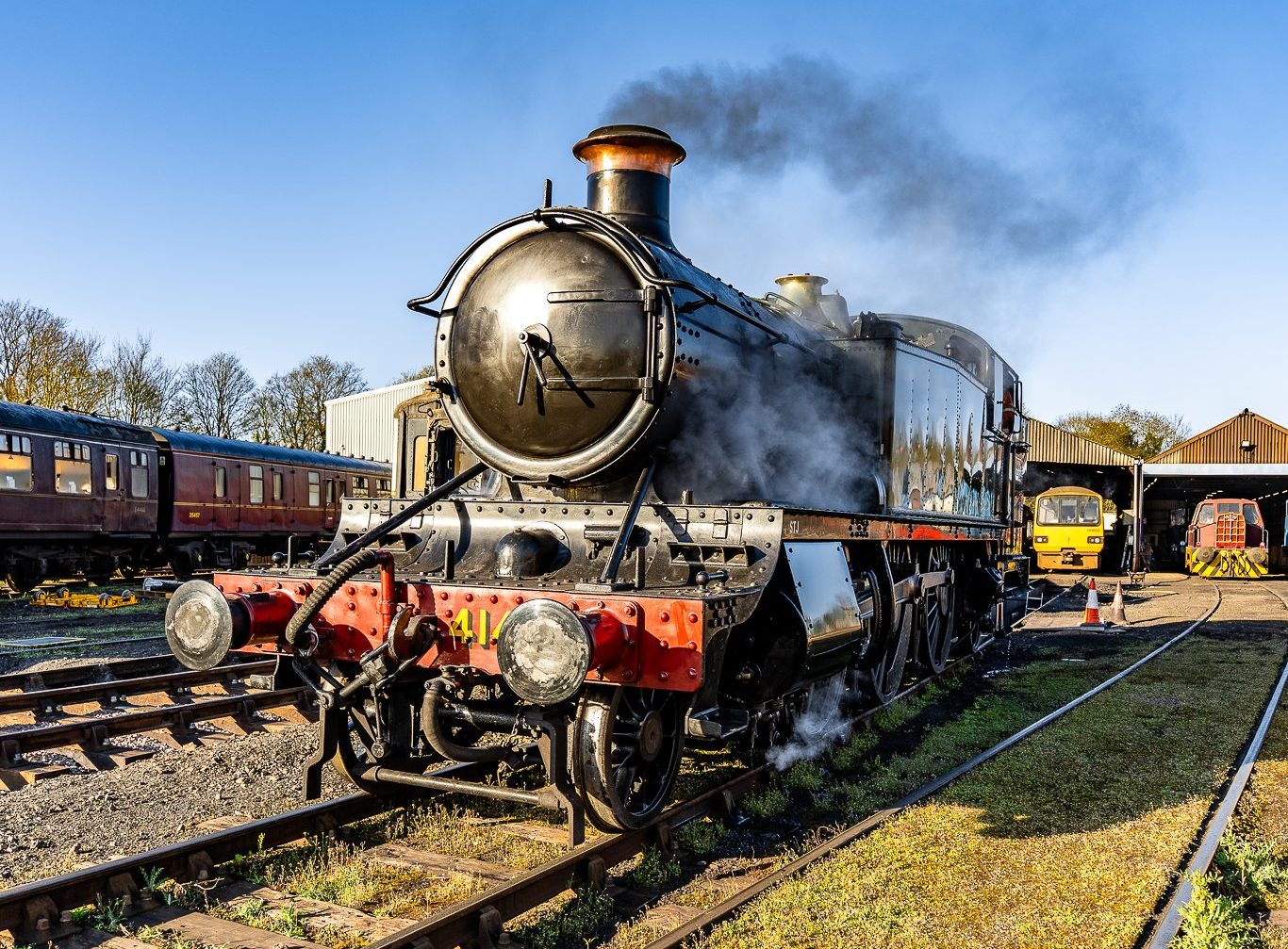
About The Name Littleworth Models
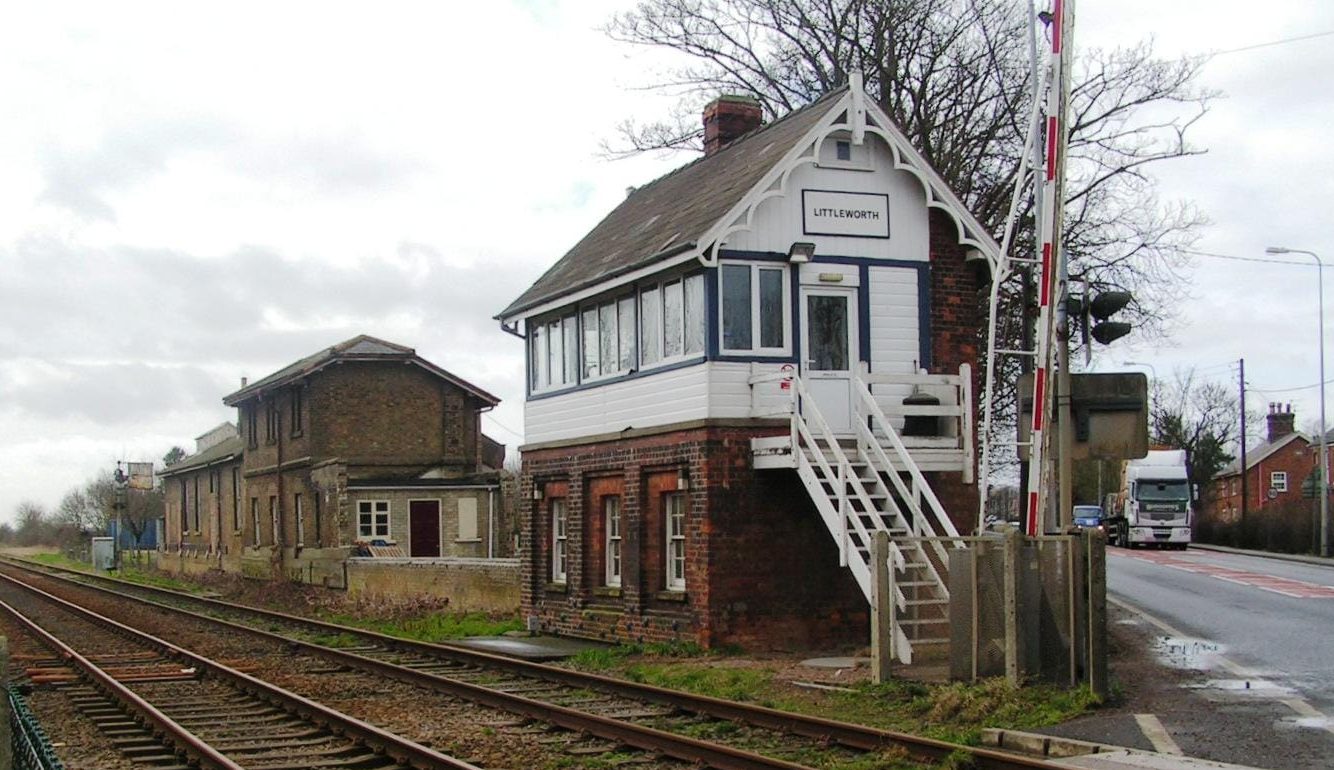
Littleworth Station opened with the loop line on 17th October 1848. The station was sometimes known as Littleworth and Deeping Fen and was actually sited in the village of Deeping St. Nicholas.
The signal box was sited at the north end of the down platform adjacent to the crossing; this controlled the crossing and access to the goods yard which was sited on both sides of the line to the south of the crossing. There were two sidings on the down side, one passing through a brick goods shed with a 1-ton 10 cwt crane nearby and the other serving a loading dock behind the down platform. There were two further sidings on the up side.
Much of the goods traffic was agricultural produce, including potatoes, from the Dennis family farms, one of the largest growers in the area. To the north of the crossing, there was a private siding serving W. Dennis and Sons potato warehouse. The warehouse was also the terminus of a 2′ gauge railway running for over 20 miles. The railway was operated by a petrol-driven tractor and allowed the company to transport its potatoes when the roads in the vicinity were waterlogged.
Potato traffic was seasonal, and at the height of the season, up to seven trains a day would leave Littleworth bound for Peterborough and London. The same family owned the Nocton potato railway, much of whose equipment was re-used for the Lincolnshire Coast Light Railway. A small section of the potato tramway has been preserved at nearby Vine House Farm.
The station closed to passengers on 11th September 1961 but remained open for goods traffic until 15th June 1964.
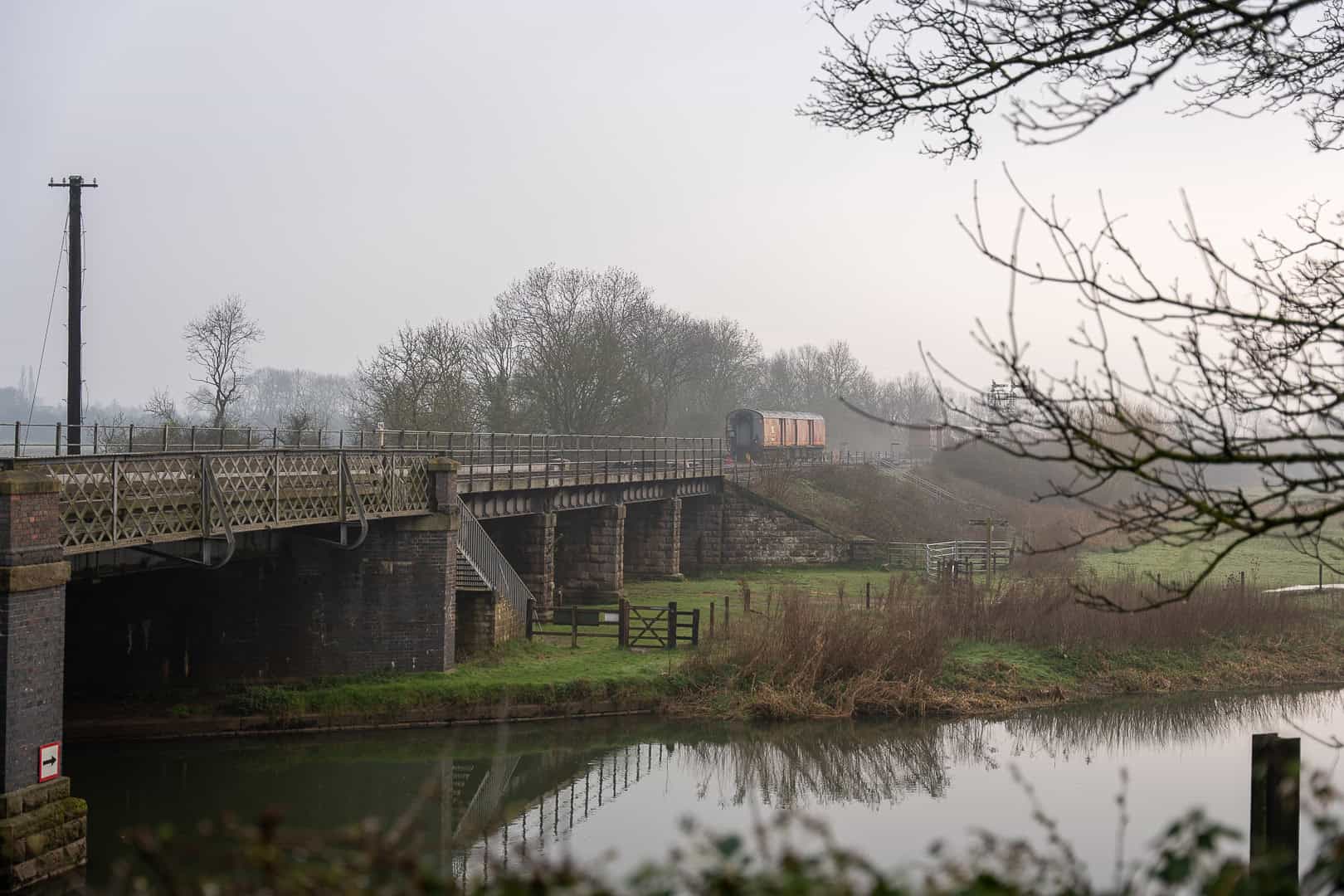
Brief History Of The Lincolnshire Loop Line
The first prospectus of the London and York Railway was issued on 3rd May 1844, and plans were deposited in that year’s parliamentary session for a main line route running between London and York and a loop line from Peterborough to Bawtry via Boston and Lincoln, together with various branches.
The line passed its second reading in the Commons despite fierce opposition from the London and Birmingham and the newly formed Midland Railway, who at that time had a monopoly of the London to Leeds and York traffic, and despite an adverse report from the Board of Trade. The London and York bill finally received Royal Assent on 26 June 1846. The bill granted powers to construct the main line and a loop line. Once the bill was passed by Parliament, the London & York name was dropped, and the title Great Northern Railway (GNR) was adopted.
In 1846, the GNR purchased the Witham Navigation and all navigation rights, and construction of the 58-mile Lincolnshire Loop Line from Peterborough to Lincoln via Spalding and Boston started early in 1847. The GNR began work on the loop line first as the ease of construction over the flat fens promised an earlier return on investment. Because a proposed branch from Bawtry to Sheffield had been rejected by Parliament, it was thought better for the loop line to rejoin the main line at Rossington instead, so no work was done north of Gainsborough. The GNR suffered a setback in 1848 when this deviation was rejected, but arrangements were soon made to use the MS&LR’s authorized line from Sykes Junction (on the loop line north of Lincoln) to Retford and then via their own main line.
On 1 March 1848, the East Lincolnshire Railway opened its line between Louth and Grimsby, which, although nominally independent, was leased to the GNR from the start. This line was extended south to Boston on 1 October 1848. The loop line opened between Werrington Junction and Lincoln via Boston on 17 October 1848, with GNR trains using the Midland line from Werrington Junction into Peterborough. The line between Boston and Lincoln was often referred to locally as the Witham Loop as it followed the course of the River Witham.
For a brief period, this was the main route to the north and Scotland, and early traffic exceeded expectations with five daily trains and two on Sundays. But with the opening of the main line from Peterborough to Doncaster via Grantham and Newark in 1850, the loop line settled down to a quieter existence, attracting only local traffic. Intermediate stations opened on the same day at Peakirk, Littleworth, Spalding, Algakirk & Sutterton, Langrick, Tattershall, Kirkstead, Bardney & Wragby, Five Mile House & Washingborough. Within two years, further stations were added at St. James Deeping, Surfleet, Kirton & Dogdyke.
In the early 1850s, Horncastle was an important regional centre that serviced a highly productive agricultural area that supplied corn, cattle, wool, and other produce to the heavily populated industrial areas of Lancashire and Yorkshire. The Horncastle Canal ran from the town to the navigable River Witham near Dogdyke station on the Loop Line. In 1851, the GNR built a coal wharf and warehouse on the canal at Horncastle in order to ease the transfer of coal and other heavy goods to the town and surrounding villages.
It became clear that the area would be better served by a railway from Horncastle to the Loop Line. Without a railway, it was feared the town would decline as competition increased from the fairs and markets of other towns served by a railway. In 1853, the Horncastle Railway Company was formed to build a single line from the Loop Line at Kirkstead to Horncastle. Having received their Act, construction began in March 1855, and the line opened on 11 August 1855.
A new line linking Louth with Lincoln was first proposed on 3 November 1865. The proposed route would leave the ELR at Louth, terminating at a junction with the Loop Line east of Five Mile House station. The Louth and Lincoln Railway Company was incorporated on 6 August that year, but within a few months, it was clear the company would be unable to purchase the land for the proposed junction with the GNR. With local funding also proving difficult to raise, a shorter revised route was proposed, joining the Loop Line at Bardney, where all trains would run into a bay platform from the wrong direction, access to the main line requiring the use of cross-overs. The line opened for freight traffic between Bardney and South Willingham on 9 November 1874. This was extended to Donington-on-Bain on 27 September 1875 and finally through to Louth on 26 June 1876.
A branch line opened from the ELR to the developing resort of Skegness on 28 July 1873. The majority of holiday traffic came from the south, much of it from London. To attract visitors from the north of England, a number of schemes were proposed to build a direct link between Lincoln and Skegness. In 1884, the Lincoln & Skegness Railway Bill was defeated in the Lords following opposition from the GNR, who refused to work the line.
On 16 September 1887, the Lincoln, Horncastle, Spilsby & East Coast Railway (HS&ECR) received authority to build a line from Stixwould on the Loop Line. On this occasion, the GNR didn’t oppose the Bill, agreeing to work the line for 60 percent of the receipts. The company was unable to raise sufficient capital, and the GNR declined an offer to take over the powers when the scheme was abandoned in 1891.
There were no further proposals for a northern route into Skegness until 1910 when Skegness Town Council approached the GNR asking for better service to the resort from Manchester, Birmingham, and Leeds. It suggested a line linking the Spilsby & Horncastle branches, stating that if the GNR was not sympathetic, they would seek help from the Midland Railway. An alternative scheme was also suggested with a new line being built from Kirkstead on the Loop Line to Little Steeping on the ELR.
The GNR Board approved the latter scheme, and a light railway order was granted on 18 July 1911. Although the new railway’s official title was ‘The Kirkstead and Little Steeping Railway,’ it was universally known as the ‘New Line.’ Construction of the 15-mile double-track line started at both ends in March 1912. The line left the Loop Line at Coningsby Junction, 1 1/2 miles south of Kirkstead station, joining the ELR at Beliwater Junction, between Eastville and Little Steeping. The new line opened for goods on 1 June and passengers on 1 July 1913.
In 1922, Kirkstead was renamed Woodhall Junction in an attempt to increase the profile of nearby Woodhall Spa as a holiday destination.
Some north Lincolnshire branch lines lost their service before the Beeching Axe fell. The Horncastle line closed to passengers on 13 September 1954, although it remained open for goods traffic until April 1971. The intermediate stations between Peterborough and Spalding and Spalding and Boston closed on 11 September 1961. The section of the Loop Line between Woodhall Junction and Boston was closed to passengers and goods on 17 June 1963 because traffic levels didn’t justify the required expenditure on the track and signaling that was required to keep the line in use, leaving a service from Lincoln over the Loop Line to Coningsby Junction and then via the ‘New Line’ to Firsby. Coningsby became the railhead for the area previously covered by Tattershall & Dogdyke, and some trains from Lincoln terminated there.
British Railways also suggested the closure of the Lincoln to Skegness line to take effect from 6 June 1964. This would have seen the closure of the New Line as well as the northern section of the Lincoln to Boston line. With the Grimsby to Boston line also under threat, the biggest local inquiry held by the Transport Users’ Consultative Committee took place in Skegness on 15 and 16 September 1964 to hear objections to the proposals.
A strong case was put forward to stop the closures, which would leave the greater part of Lincolnshire with no rail service. British Railways were accused of deliberately running down the services on lines it wished to close in order to strengthen their case for closure. The findings of the meeting were submitted to the Minister of Transport, who concluded that the British Railways Board should re-examine its proposals. This it did and in due course once again proposed closure, this time with the exception of the Skegness line. A second TUCC inquiry was held at Skegness in May 1968, and its decisions were again submitted to the Transport Minister, who this time supported the Board’s proposals. He felt that costs to retain the existing rail services in Lincolnshire could not be justified because of the low usage and the considerable route mileage involved. On the New Line, only Coningsby had regular passengers traveling mainly to Lincoln, with very few people using the other intermediate stations.
The Minister accepted that passengers traveling on the Coningsby-Lincoln section of the line would suffer inconvenience amounting almost to hardship if this section were closed, but he also noted that the numbers concerned were small and he didn’t consider that he would be justified in asking the Board to retain this particular service.
Closure of the Lincoln – Firsby line was announced for 5 October 1970, with the last train running on Saturday 3 October 1970. On the same date, the service was also withdrawn from the southern end of the loop line between Peterborough and Boston, although all the intermediate stations were already closed. Boston and Spalding remained open as they could be reached by other routes.
The line between Spalding and Peterborough reopened with a limited (peak hours only) passenger service on 7 June 1971. Freight trains continued to operate to Horncastle via Woodhall Junction until 5 April 1971, when Bardney became the terminus of the line.
The line between Lincoln and Bardney remained open for freight traffic serving the sugar beet factory adjacent to Bardney station. This traffic ceased in January 1981, by which date there were very few trains, which ran ‘as required’ on Monday, Wednesday, and Friday during the beet season (March – September). The last passenger train, a DMU railtour, ran into Bardney on 21 January 1981. The station site was sold to British Sugar in 1982, and all the track was lifted within a year.
Get a free valuation and cash offer
Please use the form below to send us details of the models you wish to sell. You can upload and attach photos and list of your items for sale to your message using the upload feature. Our team will be in touch with a valuation of your collection and a fair cash offer for us to purchase your items.
Got a question or need help with requesting a valuation?
Call our team on 01778 594604 or email [email protected]